Selected topics from the Hadiths of Sahih Bukhari and Sahih Muslim.
Sahih al-Bukhari by Imam Muhammad ibn Ismail al-Bukhari (d. 870). The correct title of the work is Al-Jami as-sahih, “The Comprehensive and Sound.” This work is the first of the six canonical hadith collections and continues to enjoy the highest prestige in Islam. In terms of authority, it ranks second only to the Quran.
Aisha reported that the Prophet married her when she was six years old, and only entered into marital relations with her when she was nine years old, and that the marriage with him lasted a total of nine years.
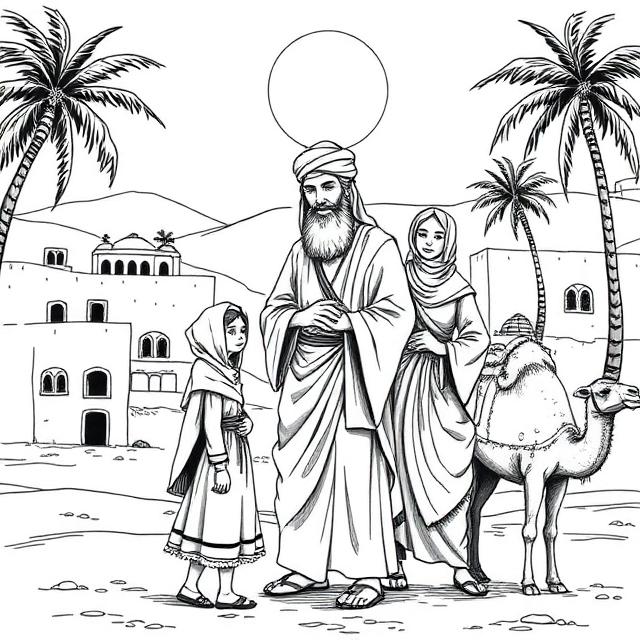
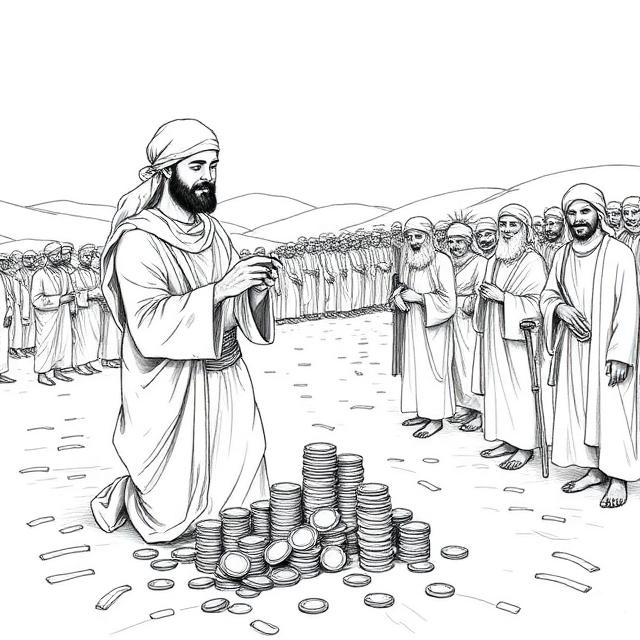
After the Prophet’s death, Abu Bakr wanted to take action against those who refused to pay Zakat. The Prophet warned that those who neglected Zakat would face the consequences on the Day of Judgment, and he emphasized the importance of charity, especially in times of need.
On Jihad and the life of the Prophet
Abu Said al-Khudri reported: “The following question was asked: ‘O Messenger of Allah, who is the best of all people?’ The Messenger of Allah said: ‘A believer who, risking his life and wealth, undertakes jihad in the cause of Allah.’”
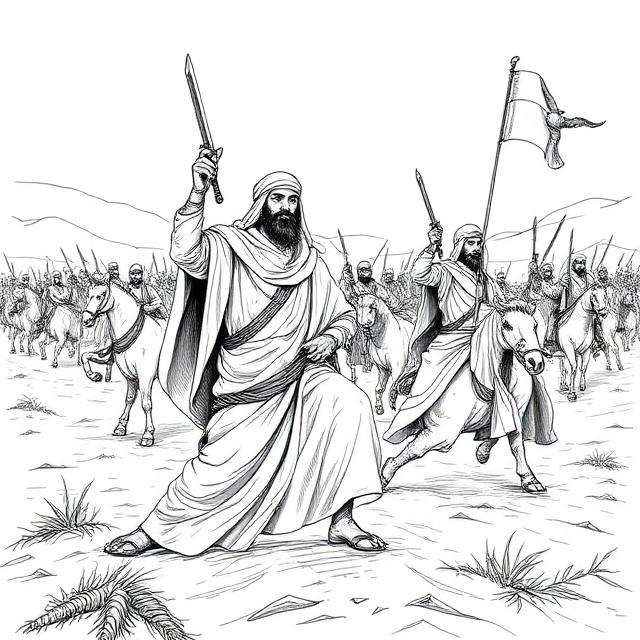

Abu Huraira reported that the Messenger of Allah (peace and blessings be upon him) said that certain sins, such as adultery, alcohol consumption, and theft, are not to be committed as long as one truly believes in Allah. The punishment for alcohol consumption was originally forty lashes, later increased to eighty by Umar. As Aisha noted, amputation is prescribed for theft.
The Prophet Muhammad said that on the Day of Judgment, the first thing to be judged is bloodshed. Al-Miqdad asked whether he should kill a disbeliever who had converted to Islam after harming him, but the Prophet instructed him not to. A Muslim’s blood may only be shed in specific cases, such as in retribution for murder or adultery.
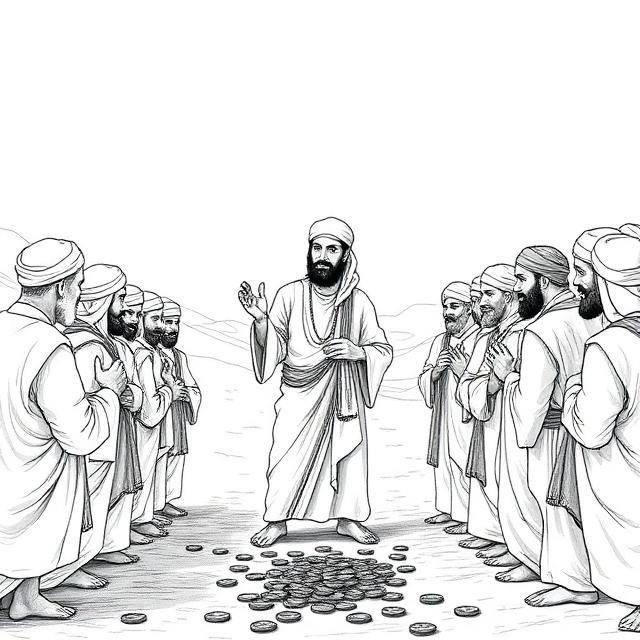
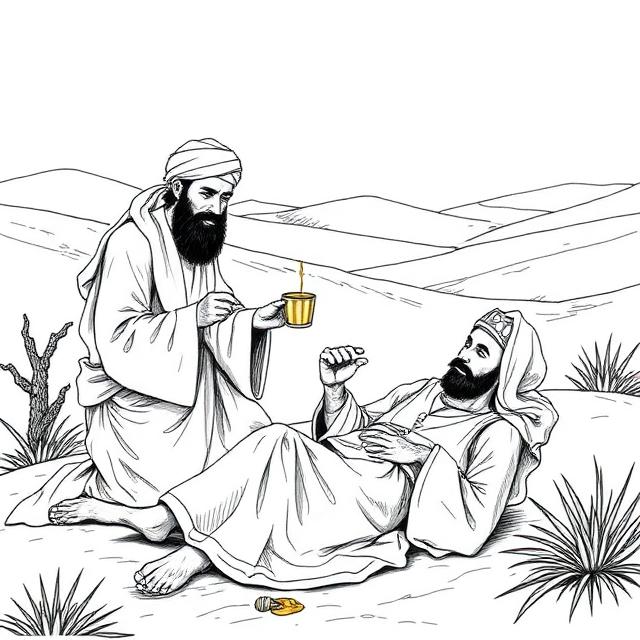
The Prophet Muhammad said that Allah sends both illnesses and cures. Women accompanied him into battle to care for the soldiers. Among the cures mentioned were bloodletting, honey, and cauterization, although cauterization was forbidden. The Prophet remarked that black cumin was a cure for everything except death.
Said reported: “I heard the Prophet say: ‘He who allows himself to be related to someone other than his own father, while knowing that this person is not his father, will be denied Paradise.’”
Sahih Muslim, compiled by Imam Muslim ibn al-Hajjaj (c. 820–875), is an important collection of hadith. Next to Sahih al-Bukhari, it is considered the most reliable hadith collection and is one of the six canonical hadith collections. Its compiler was a student of Imam Muhammad ibn Ismail al-Bukhari. Sahih Muslim contains 7,275 hadiths, which is 4,000 without repetitions.
The Book of Marriage
The Prophet said: A woman who is about to be remarried should not be married until she herself consents. However, a virgin should only be married after her consent has been sought. Some people asked: O Messenger of Allah, what is her consent then? The Prophet said: By remaining silent!
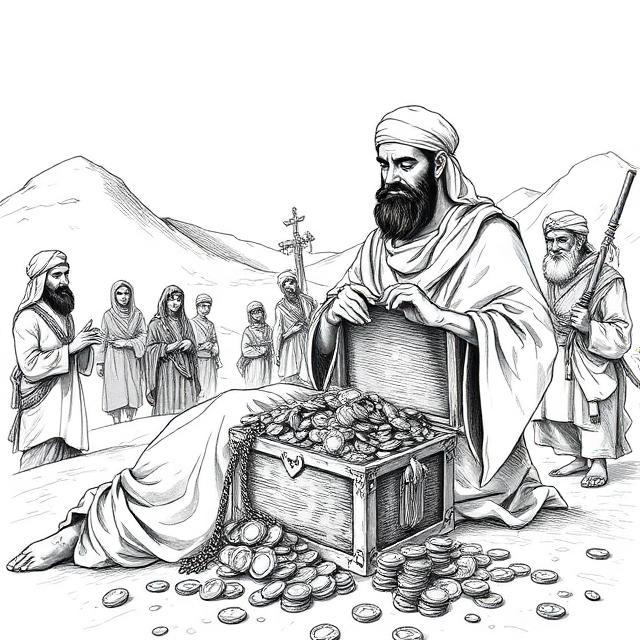
The Book of Alms Taxes (Zakah)
Jabir reported: A man from Banu Uzra promised his slave his freedom after his death. When the Messenger of Allah heard of this, he asked: Do you have any other property besides him? He said: No! Then he said: Who will buy him (the slave) from me? Nuaim ibn Abdullah al-Adawiyah bought him for eight hundred dirhams.
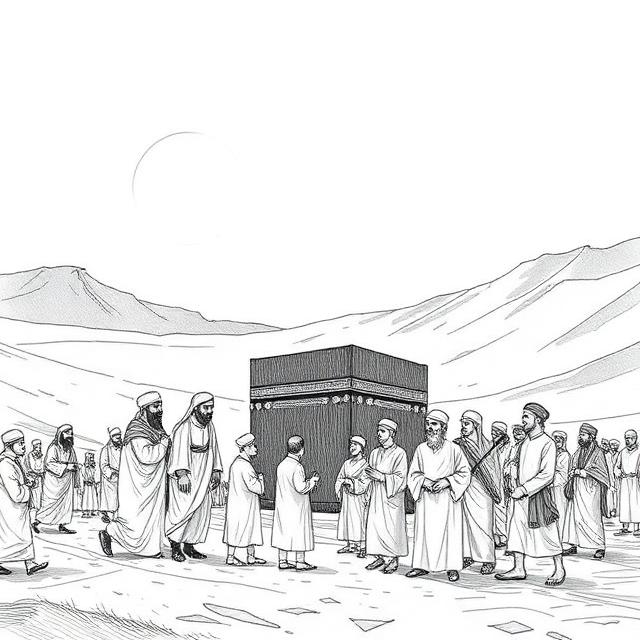
The Book of Pilgrimange
We went out with the Messenger of Allah in the year of the Farewell Pilgrimage. We assumed the state of Ihram for a visit. Then the Messenger of Allah said: Whoever has brought his sacrificial animal must perform the pilgrimage and the visit in the same state of Ihram and only release himself from the state of Ihram after he has completed both.
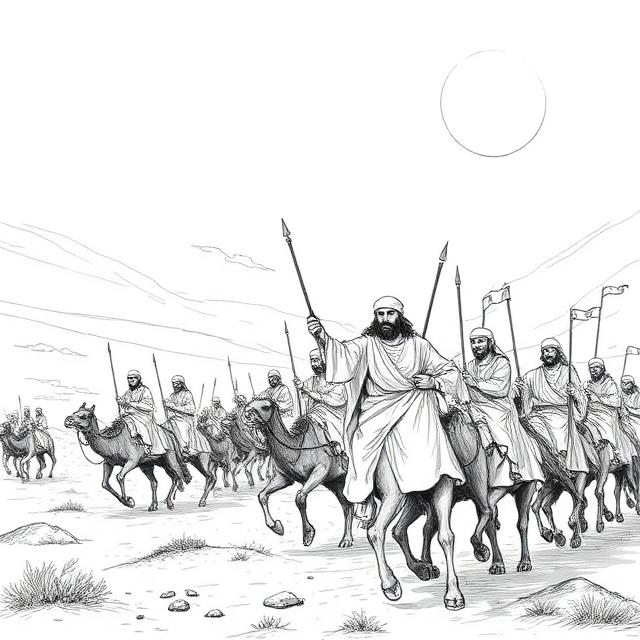
The Boook of Jihad and Expeditions
Ibn Umar reported: The Prophet sent a fighting force to Najd, and I was with them. There they took many camels as spoils of war. The share was twelve or eleven camels. In addition, each man was given an extra camel.
The Book of Leadership
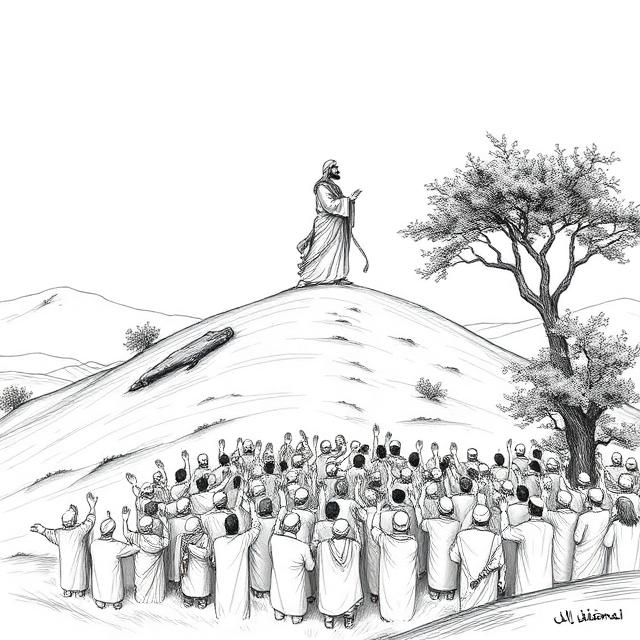
Gabir reported: On the day of Hudaybiyyah, there were 1400 of us, and we pledged allegiance to the Prophet while Umar, under the tree—it was an acacia—stood by it. We pledged allegiance to him that we would not flee. However, we did not pledge allegiance to him unto death.
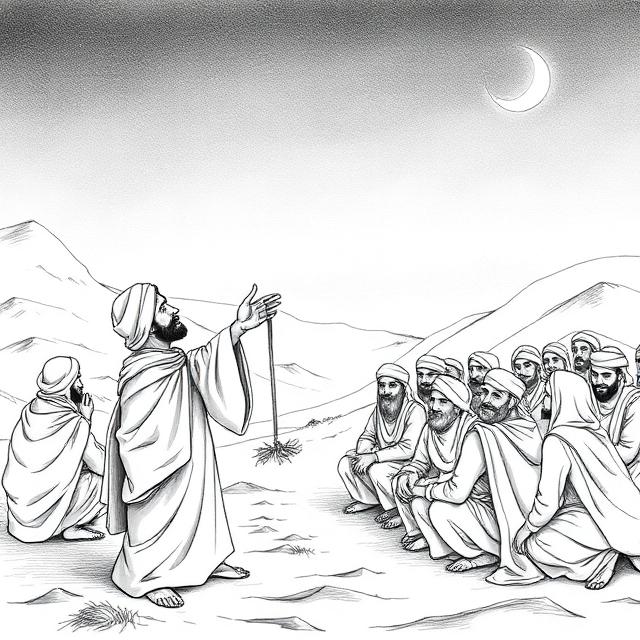
Abu Bakra reported: The Prophet said: “There are two months associated with two festivals. These months should never be considered incomplete, even if they were 29 days long, because the reward for those two months is calculated as if both months were complete.” These months are Ramadan and Dhu al-Hijjah.
The Messenger of Allah forbade various types of sales and transactions. These included selling by touching or throwing goods, as well as outbidding a brother after a deal has been concluded. He also forbade catching goods on the way to the market and trade between settled people and nomads.
Discussions about the historicity of the above can be found at Pfanderfilms.
The content of these pages is a limited, slightly simplified excerpt from the extensive material of the Islamic Database (IslaDa) and has been kindly made freely available to everyone. Quote:
Alle angebotenen Inhalte können frei kopiert und verteilt werden, es wäre aber schön und wünschenswert, wenn auf Islamische Datenbank verwiesen werden würde.


